Biomass Gasification Polygeneration – Biochar
(1) Performance of Biomass Charcoal
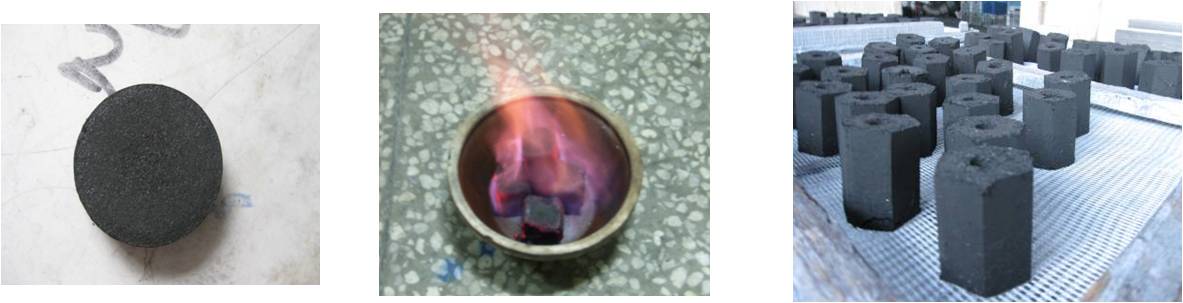
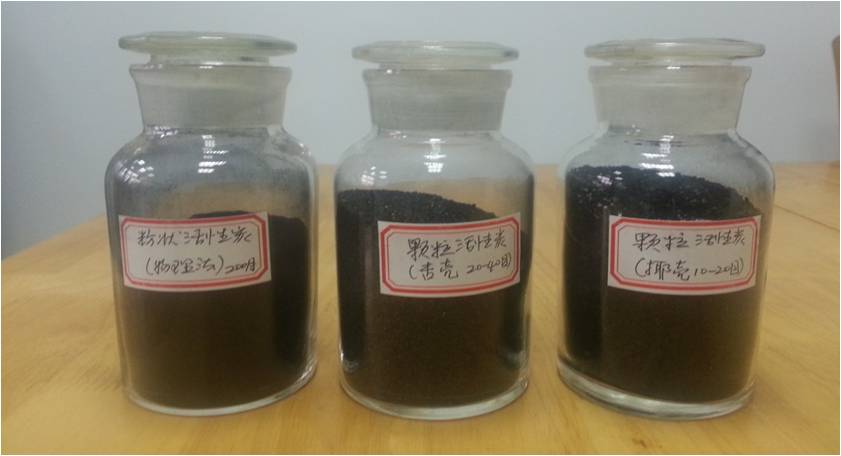
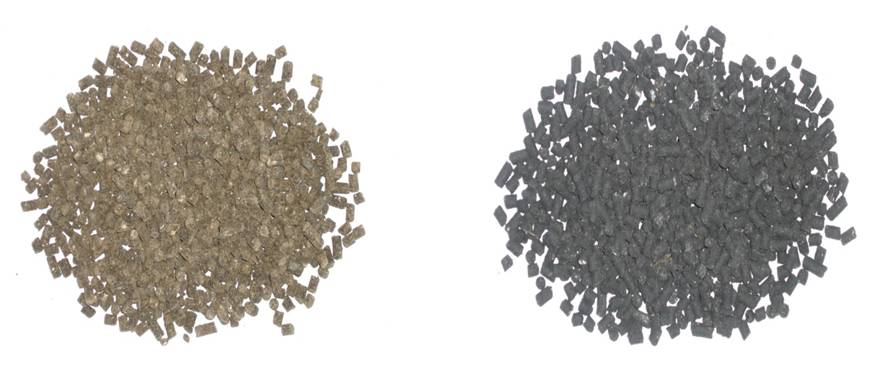
Biomass charcoal is a porous carbon material. It is black and is dominated by the forms of powder and grains. Biomass charcoal can be divided into wood charcoal, rice husk charcoal, straw charcoal, and so on according to different sources of raw materials. Physicochemical properties of straw charcoal: the content of potassium, nitrogen, phosphor, magnetism, copper, iron, and zinc (the last three are trace elements) for per kilogram of charcoal is 53g, 4.3g, 2.6g, 3.52g, 0.015g, 0.58g, and 0.11g respectively, and the specific surface area is 171m2/g.
(2) Application of Biomass Charcoal
Biomass charcoal has the well-developed pore structure, the large specific surface area, the distinctive surface functional group and the stable physical & chemical properties. It is able to resist acid & alkaline, and to withstand the damp, high temperature and high pressure. Especially, after it is made into active carbon, it will be the excellent absorbing & purifying material and can be used as the catalyst or catalyst carrier.
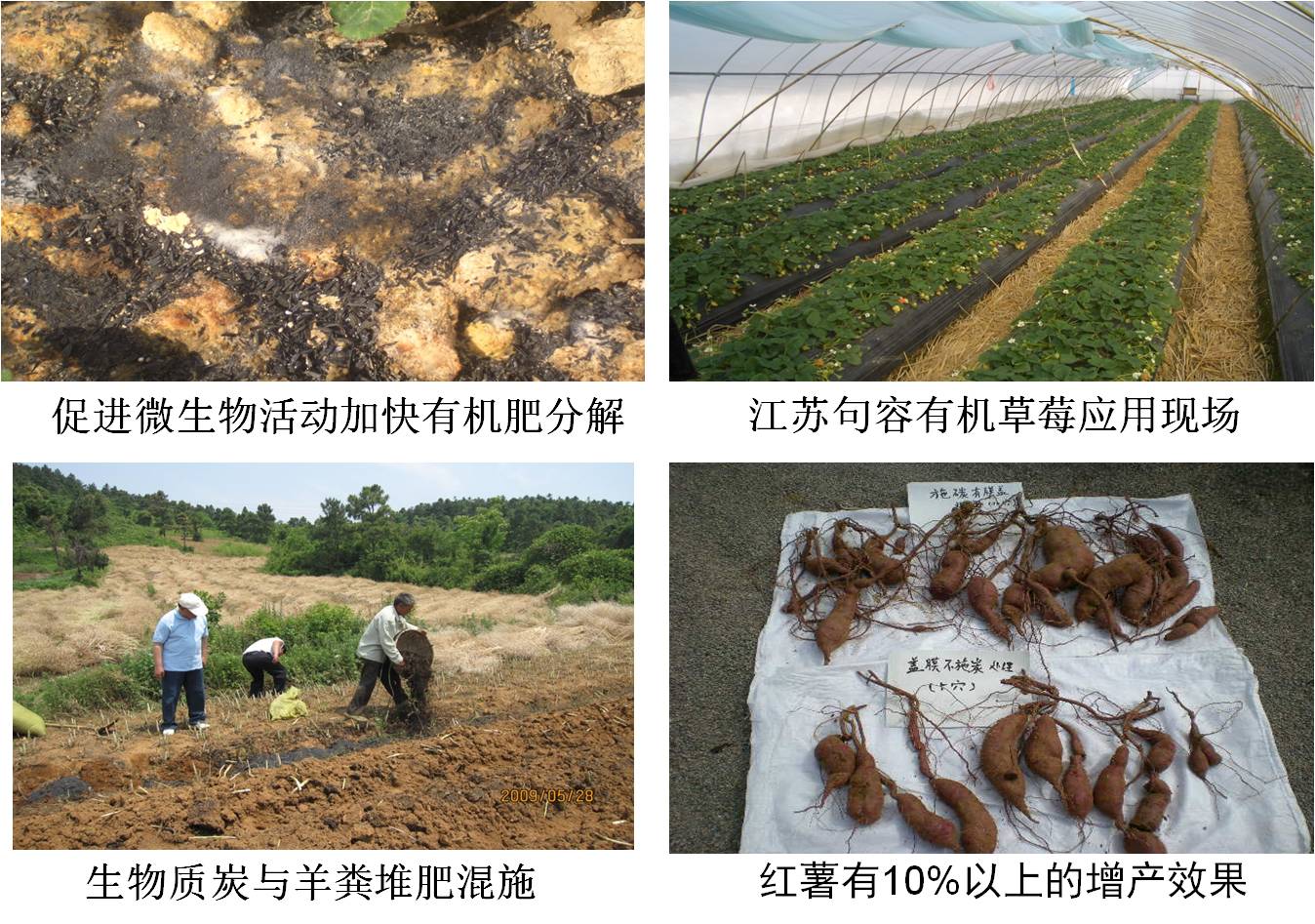
(3) Farm-returning Functions of Carbon Based Fertilizer
The carbon based compound fertilizer has the following functions: (1) increase the soil porosity, improve the soil aeration & permeability, and relieve the troublesome soil sealing; (2) return into soil a large number of elements badly needed by soil, including nitrogen, phosphor, potassium, magnesium, and so on, and supplement copper, iron, zinc and other trace elements, which are necessary for plants. (3) restrain soil from absorbing phosphor so as to improve phosphor absorption & utilization by plants; (4) restore soil from the heavy metal pollution; have the strong absorption of cadmium (Cd) in the polluted soil; (5) raise the soil temperature (1-3℃) to favor the plant growth; (6) keep soil pH stable; (7) have the slow-release effect on fertilizers and pesticides; (8) improve the microorganism environment of soil.